

What Should I Look for When Choosing an All-on-4 Specialist in Houston?
- Oral Family Dental
- Mar 4
- 8 min read

Choosing the correct All-on-4 specialist is vital to achieve reliable results in your dental restoration. As All-on-4 implants become more widely used, patients require clear criteria for selecting a qualified clinician. This article outlines the key factors to consider—professional qualifications, the procedure, and the benefits of reputable care—so you can make an informed decision that supports successful outcomes and improved quality of life.
What Are All-on-4 Dental Implants and Their Benefits?
All-on-4 implants replace a full dental arch using four strategically placed implants. Compared with conventional removable dentures, this method provides greater stability, improved aesthetics, and enhanced oral function. Patients benefit from a fixed prosthesis that more closely resembles natural teeth and does not require removal for cleaning.
The benefits of All-on-4 implants include:
Stability: The implants are anchored securely in the jawbone, providing a stable foundation for the prosthetic teeth.
Aesthetics: All-on-4 implants closely mimic the appearance of natural teeth, enhancing the patient's smile.
Bone Preservation: The implants stimulate the jawbone, helping to prevent bone loss that often occurs with traditional dentures.
Convenience: Patients can enjoy their favorite foods without the worry of their dentures slipping or causing discomfort.
Longevity: With proper care, All-on-4 implants can last many years, making them a cost-effective solution in the long run.
Oral Family Dental provides specialised All-on-4 care, delivering high-quality treatment tailored to each patient's clinical needs.
How Does the All-on-4 Procedure Work?
The All-on-4 treatment follows defined steps to maximise the chance of success. It begins with a comprehensive consultation and examination to assess oral health and determine suitability. The team then develops a detailed treatment plan that identifies optimal implant positions.
On the day of surgery, four implants are placed into the jawbone, typically under local anesthesia. A temporary prosthesis is often attached so patients leave with functional teeth. Over the following months the implants undergo osseointegration, during which they fuse with the jawbone and form a stable base for the final prosthesis.
Care after the procedure is essential for long-term success. Patients receive clear instructions on oral hygiene and are scheduled for follow-up visits to monitor healing and address any concerns.
Which Qualifications Should an All-on-4 Specialist Have in Houston?
When choosing an All-on-4 specialist, assess their formal qualifications and practical experience in implant dentistry. Key credentials to review include board certifications, specific experience with All-on-4 procedures, and documented patient outcomes.
Board Certification: Ensure the specialist is board-certified in oral surgery or prosthodontics, indicating they have met rigorous training and education standards.
Experience in Implant Dentistry: Look for a specialist with extensive experience specifically in All-on-4 procedures, as this can significantly impact the outcome.
Patient Reviews and Testimonials: Researching patient feedback can provide insights into the specialist's skills and the quality of care they provide.
Selecting a qualified specialist is essential to achieve optimal results with All-on-4 dental implants.
What Certifications and Board Credentials Matter?
Certifications and board credentials provide objective evidence of a clinician's training and competence. Relevant credentials indicate the specialist has completed advanced education and adheres to professional standards.
American Board of Oral and Maxillofacial Surgery Certification: This certification indicates that the specialist has completed advanced training in surgical procedures related to the mouth and jaw.
American Academy of Implant Dentistry Membership: Membership in this organization demonstrates a commitment to ongoing education and adherence to high standards in implant dentistry.
Continuing Education: Look for specialists who participate in continuing education programs to stay updated on the latest techniques and technologies in dental implants.
Such credentials indicate that patients will receive care from knowledgeable, skilled professionals.
Research similarly emphasises the need for postgraduate training to achieve competence in dental implantology.
Postgraduate Training Essential for Dental Implantology Competence
Qualified dentists in the United Kingdom are not expected to be competent in practising implant dentistry without further training, and there is increasing emphasis on postgraduate education in dental implantology.
Postgraduate education in dental implantology in the United Kingdom: a review, 2018
How Do Prosthodontists and Oral Surgeons Collaborate?
Successful All-on-4 treatment relies on coordinated care between prosthodontists and oral surgeons. Prosthodontists design and fit the prosthetic teeth; oral surgeons perform the implant placement. This division of responsibilities ensures both surgical accuracy and prosthetic function.
From the initial consultation, both specialists collaborate on a customised treatment plan that addresses the patient's functional and aesthetic needs. Following implant placement, the prosthodontist completes the final prosthesis to achieve optimal appearance and chewing function. This team approach improves clinical outcomes and patient satisfaction.
How Does Oral Family Dental Ensure Expert Care for All-on-4 Implants?
Oral Family Dental delivers All-on-4 care through a structured, patient-centred process. Care begins with a full assessment and a tailored treatment plan that reflects each patient's oral health and objectives.
The practice employs advanced techniques and technologies to support precise implant placement and favourable outcomes. Scheduled post-procedure follow-ups allow the team to monitor healing and address any concerns, providing ongoing support throughout recovery.
Who Are the Board-Certified Specialists on Our Team?
Oral Family Dental's team includes board-certified specialists committed to high standards of implant care. One of our lead clinicians, Dr. Ahmed Elsherif, has extensive implant experience and a strong focus on patient-centred treatment. His expertise, supported by the clinical team, helps ensure patients receive high-quality care.
What Advanced Technologies Support Successful Implant Procedures?
Advanced technology supports accuracy and safety in All-on-4 procedures. Key technologies commonly used include:
3D Imaging Technology: This technology allows for precise mapping of the jawbone, enabling accurate implant placement and minimizing surgical risks.
Computer-Guided Surgical Techniques: These techniques enhance the precision of implant placement, leading to improved outcomes and reduced recovery times.
Digital Impressions: Digital impressions provide a more comfortable experience for patients and ensure a better fit for the final prosthesis.
These systems contribute to procedural precision, improve clinical outcomes, and enhance patient satisfaction.
What Are the Cost and Financing Options for All-on-4 Implants in Houston?
Costs for All-on-4 treatment vary with case complexity and materials. At Oral Family Dental, the typical cost ranges from $15,000 to $25,000 per arch.
To improve access to care, Oral Family Dental offers financing options such as flexible payment plans and accepts certain insurance coverage. Patients are advised to discuss financial options during the consultation to identify a suitable plan.
How Affordable Are All-on-4 Implants at Oral Family Dental?
Oral Family Dental aims to offer affordable All-on-4 solutions without compromising clinical quality. Competitive pricing and flexible financing help broaden patient access to this treatment.
Our patient-centred approach ensures that treatment is tailored to individual needs, making the investment in All-on-4 implants clinically and personally worthwhile.
What Financing Plans Are Available to Patients?
Oral Family Dental offers several financing options to help manage the cost of All-on-4 treatment, including:
Flexible Payment Plans: Patients can choose a payment plan that fits their budget, allowing for manageable monthly payments.
Insurance Acceptance: We work with various insurance providers to help patients maximize their benefits and reduce out-of-pocket costs.
Credit Card Options: Patients can use credit cards to cover their treatment costs, providing additional flexibility.
These financing arrangements are intended to help patients obtain necessary care with manageable payments.
What Should Patients Expect During Recovery and Aftercare?
Initial recovery commonly involves some swelling and discomfort; these symptoms can be controlled with prescribed or recommended medications.
Follow-up appointments are important to monitor healing and address any issues. Patients also receive guidance on oral hygiene to protect the implants and surrounding tissues during recovery.
How Long Is the Typical Recovery Period?
Recovery varies by individual but typically spans 8 to 12 weeks while the implants undergo osseointegration and integrate with the jawbone.
Recovery duration depends on general health, adherence to aftercare instructions, and the complexity of the procedure. Regular follow-up visits help ensure appropriate healing.
What Aftercare Tips Promote Implant Success?
To support implant success, patients should follow these aftercare recommendations:
Maintain Good Oral Hygiene: Regular brushing and flossing are crucial for preventing infection and ensuring the longevity of the implants.
Attend Follow-Up Appointments: Regular check-ups allow the dental team to monitor healing and address any issues promptly.
Avoid Hard Foods: In the initial recovery phase, patients should avoid hard or sticky foods that could stress the implants.
Patients who follow these recommendations help protect their implants and improve the likelihood of long-term success.
How Have All-on-4 Implants Improved Patient Quality of Life?
All-on-4 implants restore key functions—chewing, speech, and smiling—and provide stability that removable dentures often lack.
Many patients experience improved self-esteem and greater social confidence once they no longer face the discomfort or embarrassment of removable dentures. The sustained functional and aesthetic benefits contribute to overall well-being and higher satisfaction with dental care.
Studies report that patients rehabilitated with All-on-4 implants often experience high oral health-related quality of life and satisfaction.
All-on-4 Implants: Oral Health Quality of Life & Patient Satisfaction
OHRQoL and satisfaction in patients whose rehabilitation was based on the all-on-four concept were high. However, the current evidence is still limited by the quality of the available studies, making long-term randomized studies necessary to establish the real effectiveness of this surgical-prosthetic approach.
Oral health-related quality of life and satisfaction in edentulous patients rehabilitated with implant-supported full dentures all-on-four concept: a systematic review, EP Rocha, 2022
For details on our clinicians and their qualifications, visit our team page.
Frequently Asked Questions
What is the difference between All-on-4 implants and traditional dentures?
All-on-4 implants provide superior stability and function compared with traditional removable dentures. Because implants are anchored in the jawbone, they do not slip or require adhesives, allowing patients to eat with confidence. Implants also help preserve bone volume, which removable dentures do not. Overall, All-on-4 typically offers a more natural feel and improved quality of life.
How long do All-on-4 implants typically last?
With appropriate care, All-on-4 implants can last many years and often exceed a decade. Longevity depends on oral hygiene, routine dental follow-up, and lifestyle factors such as smoking and diet. Adhering to aftercare instructions and attending regular check-ups helps maintain implant condition.
Are there any risks associated with the All-on-4 procedure?
As with any surgery, potential risks include infection, nerve injury, or complications from anesthesia. When the procedure is performed by a qualified specialist, these risks are reduced. Patients should review their medical history and discuss concerns during the consultation. Following post-operative instructions further lowers the chance of complications.
What should I do if I experience discomfort after the procedure?
Some discomfort after the procedure is normal; however, if pain is severe or persistent, contact your dental provider promptly. The team may recommend over-the-counter analgesics or prescribe medication. Keep scheduled follow-up visits so the dental team can assess healing and address any problems. Good oral hygiene and adherence to aftercare also help reduce discomfort.
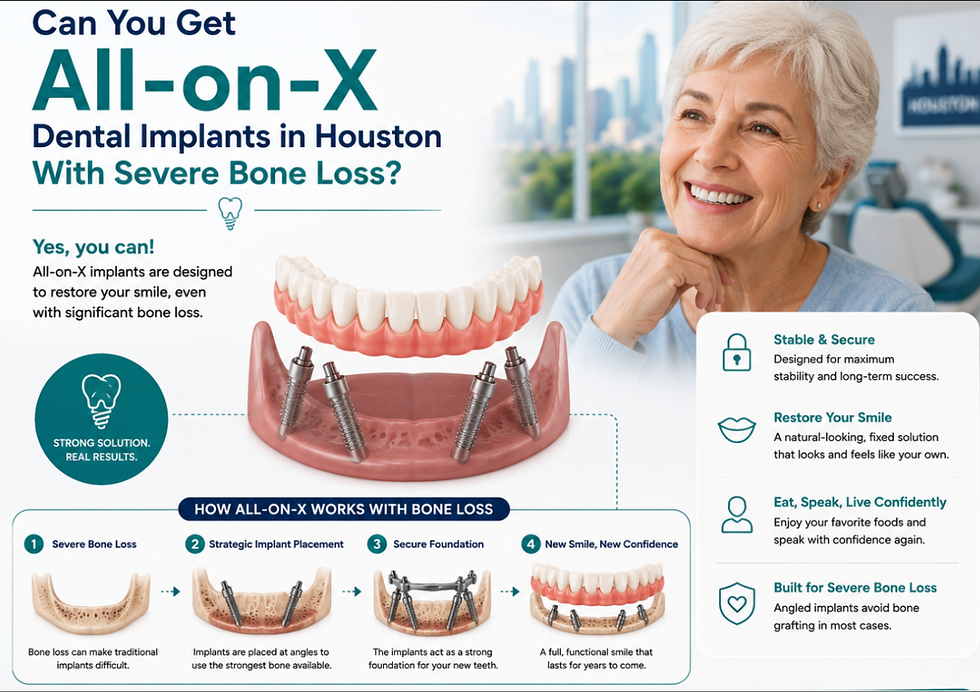
Can I still get All-on-4 implants if I have bone loss?
Patients with bone loss can often be candidates for All-on-4 implants. The technique is designed to use available bone effectively, and in some cases bone grafting may be advised to improve jawbone support before implant placement. A thorough evaluation by a qualified specialist will determine the most appropriate approach.
How do I maintain my All-on-4 implants after the procedure?
Maintenance mirrors care for natural teeth: brush twice daily, floss regularly, and use an antibacterial mouthwash as recommended to reduce infection risk. Attend routine dental appointments for professional cleaning and assessment. During initial recovery, avoid hard or sticky foods to protect the implants. These practices support long-term success.
What lifestyle changes should I consider after getting All-on-4 implants?
To support implant health, maintain a balanced diet rich in nutrients that promote oral healing, avoid tobacco products, and limit alcohol. Continue good oral hygiene and attend regular dental reviews to monitor implant status. These adjustments improve overall well-being and help preserve implant longevity.
Conclusion
Selecting the right All-on-4 specialist is essential to achieve a successful and durable outcome. Prioritise verified qualifications, demonstrable experience, and patient-focused care to ensure treatment meets high clinical standards. To begin, review our services and schedule a consultation; this is the first step toward improved oral health and greater quality of life.


Comments