

Is Invisalign Considered a Cosmetic Dental Treatment in Texas? What Houston Patients Need to Know


Invisalign has become a widely chosen alternative to traditional braces for patients seeking cosmetic improvement and orthodontic correction. This clear aligner system straightens teeth while contributing to smile design and overall appearance. Patients often ask whether Invisalign is classified as cosmetic dentistry; this article outlines the key points Houston residents should know about its benefits, typical costs, and the treatment process, including how the technology supports both aesthetics and function.
What Defines Invisalign as a Cosmetic Dental Treatment in Texas?
Invisalign is considered a cosmetic dental treatment because it is designed to improve smile appearance while addressing orthodontic issues. The nearly invisible aligners contrast with metal braces and place emphasis on aesthetics, which appeals to patients who want effective correction with minimal visual impact. For Houston patients seeking advanced cosmetic dentistry, Invisalign provides a discreet option that also serves functional goals.
How Does Invisalign Enhance Smile Design Compared to Traditional Braces?
Invisalign supports smile design through clear, custom-fitted trays that prioritise comfort and low visibility. The smooth plastic aligners reduce the irritation associated with brackets and wires and maintain a discrete appearance during treatment. This combination of comfort and subtlety often results in higher patient satisfaction and can enable controlled tooth movements that enhance facial balance.
What Are the Cosmetic Benefits of Invisalign for Houston Patients?
Invisalign provides several cosmetic advantages that appeal to many Houston patients:
Enhanced Self-Esteem: Many patients feel more confident with a less visible aligning method.
Commitment to Oral Health: Clear aligners encourage a focus on oral hygiene, as they can be removed while eating and brushing.
Treatment Visibility: Unlike traditional braces, which can significantly alter one's appearance, Invisalign remains discreet throughout treatment.
For many patients, these benefits make Invisalign a favorable choice and support a more positive orthodontic experience.
Patients should also consider where they receive treatment and the services offered locally. For example, Oral Family Dental in Houston provides Invisalign services that balance clinical effectiveness with cosmetic priorities.
How Does Invisalign Compare to Traditional Braces in Houston?
Both Invisalign and traditional braces straighten teeth effectively, but they differ in approach and patient experience. The choice depends on clinical needs, aesthetic preferences, and lifestyle factors.
What Are the Key Differences in Treatment Duration and Comfort?
Invisalign treatment duration can be similar to or shorter than traditional braces, typically ranging from 12 to 18 months depending on case complexity. Many patients report greater comfort with aligners because they are made from smooth plastic and avoid the irritation that metal brackets and wires can cause.
How Does Invisalign Cost in Houston Compare to Other Orthodontic Options?
Invisalign costs in Houston commonly range from $3,000 to $8,000, though individual plans vary with case complexity. When assessing value, patients should consider the aesthetic and comfort benefits in addition to price. Financing and insurance options are often available; many practices, including Oral Family Dental, offer payment plans and accept dental insurance that may offset some costs.
What Are the Typical Costs and Financing Options for Invisalign in Houston?
Understanding the financial aspects of Invisalign is important. Total cost depends on factors such as the severity of misalignment and the estimated duration of treatment, which influence the level of customization required.
What Is the Average Invisalign Cost Range in Houston?
Typical Invisalign fees fall between $3,000 and $8,000. This range reflects individualized treatment plans, with more complex alignments generally increasing the final cost.
Which Financing and Insurance Options Support Invisalign Treatment?
A range of financing options can make Invisalign more accessible. Dental insurance may cover part of the treatment cost, and many practices provide flexible payment plans. Oral Family Dental can explain available plans and help patients manage financial arrangements; see their practice information for details.
What Should Houston Patients Expect During Invisalign Treatment at Oral Family Dental?
Patients who select Oral Family Dental for Invisalign can expect a structured, personalised care pathway designed to meet their clinical and cosmetic goals. The practice focuses on patient comfort and clear communication throughout treatment.
How Is a Customized Digital Smile Design Created with Invisalign?
The process begins with an initial consultation that includes a 3D scan and photographs of the teeth. These records create a digital model of the expected outcome and guide the manufacture of custom aligners. This digital planning helps ensure a precise fit and predictable movements aligned with the patient’s cosmetic objectives.
What Is the Typical Treatment Timeline and Patient Care Process?
A typical Invisalign timeline ranges from 6 to 18 months, with patients receiving new aligners every one to two weeks. Regular follow-up appointments allow the provider to monitor progress and make necessary adjustments. Patients also receive guidance on cleaning and wearing their aligners to maintain hygiene and treatment effectiveness.
What Are Common Patient Questions About Invisalign as a Cosmetic Treatment in Houston?
Prospective patients frequently ask about how Invisalign is classified, who qualifies, and what to expect during treatment. Clear answers help set realistic expectations and reduce treatment-related anxiety.
Is Invisalign Considered a Cosmetic or Orthodontic Treatment?
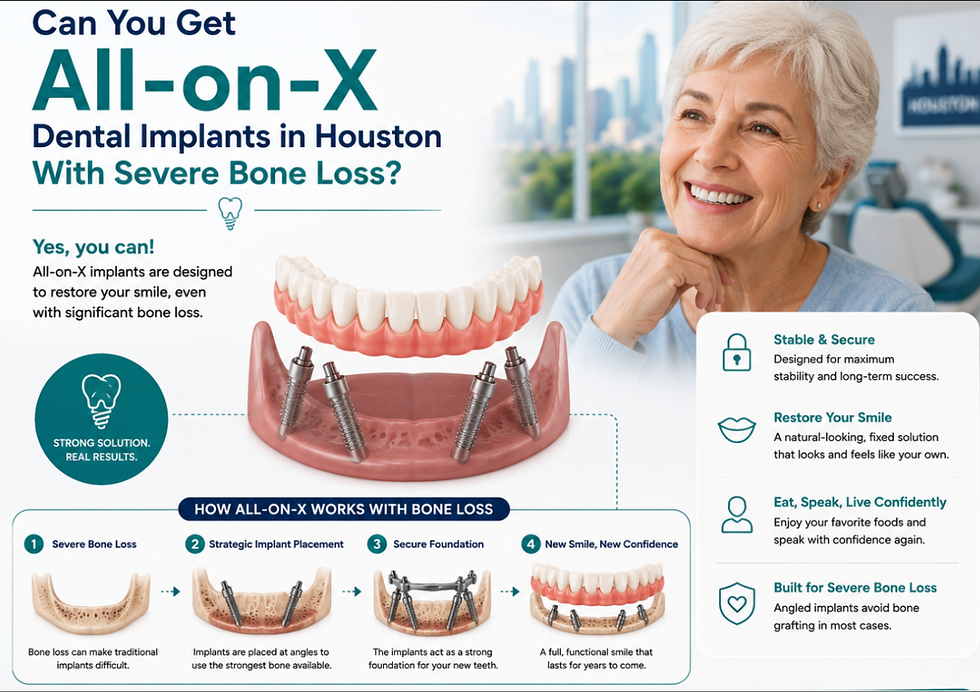
Invisalign functions as both a cosmetic and an orthodontic treatment. It corrects alignment and bite issues while improving smile appearance, offering simultaneous functional and aesthetic benefits. Providers often discuss both objectives when recommending treatment. Similar comprehensive solutions, such as All-on-4 dental implants, are available at Oral Family Dental.
Who Are Ideal Candidates for Invisalign Cosmetic Treatment in Texas?
Ideal candidates have mild to moderate orthodontic concerns and prefer a clear, removable aligner system that fits their daily routines. Both adults and teens commonly benefit from Invisalign provided they follow the wearing schedule. Individual suitability is confirmed during an initial clinical assessment. For urgent needs, emergency dentistry is available.
Frequently Asked Questions
1. How does Invisalign affect oral hygiene during treatment?
Because aligners are removable, patients can maintain normal brushing and flossing routines without obstruction. This access reduces areas where food and plaque can accumulate compared with fixed braces and supports better overall oral hygiene during treatment.
2. Can Invisalign correct severe dental misalignments?
Invisalign is effective for many alignment issues but may not suit very severe cases. Complex bite problems or extreme crowding sometimes require traditional braces for optimal results. An evaluation with an Invisalign provider will determine the most appropriate approach for your condition.
3. What age group is best suited for Invisalign treatment?
Invisalign is primarily intended for teens and adults with mild to moderate orthodontic needs. Younger children often require fixed appliances due to ongoing dental development, while teens frequently benefit from the discretion and convenience of aligners. Suitability should be confirmed during a consultation.
4. Are there diet restrictions while using Invisalign?
There are no strict diet restrictions because aligners are removable. Patients should remove aligners when eating or drinking anything other than water and should brush after meals to prevent staining and maintain oral health.
5. How often should aligners be changed during treatment?
Aligners are typically changed every one to two weeks, following your provider’s instructions. Regular check-ins help track progress and ensure the treatment follows the planned timeline; consistent follow-up is important for achieving expected results.
6. What happens if aligners are lost or damaged?
If an aligner is lost or damaged, contact your orthodontist promptly. Depending on where you are in the treatment schedule, the provider may advise using the previous set while ordering a replacement. Timely communication helps prevent unnecessary delays.
7. Does Invisalign affect speech during the initial stages?
Some patients notice a slight lisp or minor speech changes when they first begin wearing aligners. These adjustments usually resolve within a few days as the mouth adapts. If speech difficulties persist, consult your dental provider to confirm fit and comfort.
Conclusion
Invisalign improves smile aesthetics while offering an effective and comfortable orthodontic option. Many Houston patients experience increased confidence and find it easier to maintain oral hygiene during treatment. Consulting with Oral Family Dental can clarify whether Invisalign is the right choice and outline the next steps for care.


Comments