

Overdentures vs Fixed Implant Dentures: Comprehensive Comparison of Benefits, Drawbacks, and Costs


Overdentures and fixed implant dentures are two common approaches to replacing missing teeth. Each option affects chewing, speech, appearance, and daily care in different ways. This article outlines the components, benefits, limitations, and costs of each to help patients choose the best fit for their needs and budget. Clear comparisons of function, procedure, and price are provided for those seeking care in Houston.
Comparison of Overdentures and Fixed Implant Dentures (All-on-4 Implants)
To decide between overdentures and fixed implant dentures, consider how each option meets your clinical and lifestyle goals. Overdentures are removable and clip onto implants, giving improved retention while allowing easier cleaning. Fixed implant dentures such as All-on-4 implants are permanently secured to the jawbone and offer greater long-term stability and function. Compare comfort, appearance, and cost when weighing these characteristics.
Benefits:
Both implant-retained and fixed solutions improve oral function and appearance compared with traditional dentures, and each has advantages depending on patient priorities.
Improved Stability: Overdentures allow for better stability than conventional dentures due to their anchorage on dental implants. Similarly, fixed implant dentures provide exceptional stability as they are permanently secured to the jaw.
Better Aesthetics: Both options enhance the appearance of the smile, leading to increased confidence. Fixed implant dentures often provide a more natural look due to their immobility and close integration with jaw structure.
Enhanced Jawbone Health: The presence of implants helps stimulate the jawbone, preventing deterioration over time. This is crucial for long-term health and preservation of facial structure.
These improvements can make daily activities—eating, speaking and socialising—more comfortable and predictable than with traditional removable dentures.
Drawbacks:
Both options require a greater investment than conventional dentures and involve considerations that may affect suitability for some patients.
Higher Costs: Generally, both options are an investment that surpasses traditional dentures, often involving extensive treatment plans and financial planning.
Surgical Risks: The procedures for placing implants entail surgical risks, including infection or improper healing, which must be weighed against the benefits.
Adjustment Period for Overdentures: Patients opting for overdentures may experience an adjustment period while they become accustomed to the feel and function of their new prosthesis.
Weighing these drawbacks with the expected benefits helps patients choose an option that aligns with their health status and expectations.
Costs:
Transparent cost estimates are important so patients can plan treatment and discuss financing or insurance options with their provider.
Type of Denture | Price Range | Details |
Overdentures | $3,000 - $5,000 | Costs include the implants and specific fittings. |
Fixed Implant Dentures (All-on-4) | $24,000 - $30,000 | Represents a comprehensive solution covering all required components. |
Snap On Dentures | $3,000 - $5,000 | Removable option providing decent stability while being more affordable. |
The figures show fixed implant dentures usually require a larger initial investment but may offer greater durability and function over time.
What are Overdentures and Fixed Implant Dentures? Definitions and Key Differences
Clear definitions help set realistic expectations for treatment planning, recovery, and long-term care.
Overdentures:
Overdentures sit over remaining teeth or implants and are removable for cleaning. They tend to be less invasive than full fixed prosthetics and allow easier daily hygiene. Overdentures provide improved function and retention compared with traditional dentures, making them a practical choice for many patients.
Implant-Supported Overdentures: Advantages, Disadvantages, and Treatment Planning
A thorough understanding of the advantages and disadvantages of implant-supported overdentures is essential to ensuring appropriate treatment planning, consent and maintenance. This two-part series explores various aspects of implant-supported overdentures including assessment of the patient, treatment planning, different attachment systems and maintenance requirements.Implant-supported overdentures: part 1, 2021
Fixed Implant Dentures (All-on-4 Implants):
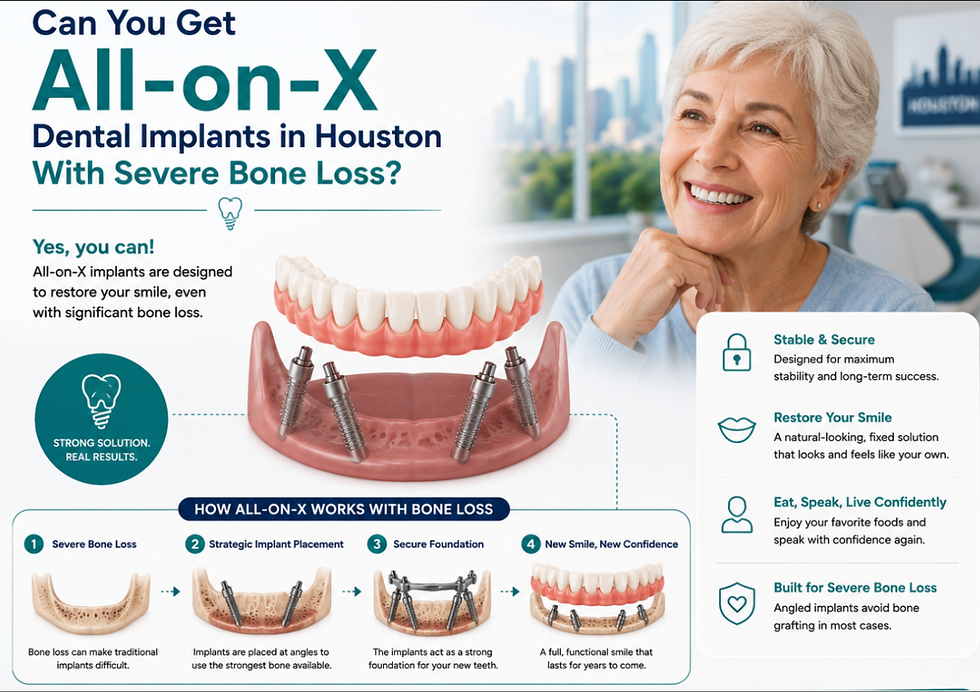
Fixed implant dentures—commonly called All-on-4—use four strategically placed implants to support a permanent prosthesis. This approach reduces the number of implants required while delivering a stable, fixed restoration that closely mimics natural teeth in function and appearance.
How do implant-supported overdentures work?
Implant-supported overdentures attach to implants placed in the jaw; these implants fuse with the bone over time to create a stable foundation. The denture snaps or clips onto the implants but remains removable for cleaning and adjustments. Compared with traditional dentures, this design reduces movement and improves comfort during daily activities.
What characterizes fixed implant dentures including All on 4 solutions?
Fixed implant dentures are permanent restorations anchored directly to implants that integrate with the jawbone. The All-on-4 approach minimises the number of implants needed and can often support a provisional prosthesis quickly. Patients typically report high satisfaction because these restorations restore chewing ability and a natural appearance.
What are the Benefits and Drawbacks of Overdentures Compared to Fixed Implant Dentures?
A clear comparison of benefits and limitations helps determine which solution best matches a patient’s priorities.
Overdentures offer flexibility and simpler hygiene since they are removable, but they may need periodic adjustments and do not match the permanence of fixed implant dentures. Fixed implant dentures require a larger upfront commitment but usually deliver greater long-term stability, fewer maintenance interventions, and a closer match to natural tooth function.
How Much Do Snap On Dentures and Fixed Implant Dentures Cost in Houston?
Cost differences often influence patient choice; discuss budgets and financing with your dental team when planning care.
Denture Type | Average Cost in Houston | Key Features |
Snap On Dentures | $3,000 - $5,000 | Affordable, removable, and flexible solution. |
Fixed Implant Dentures | $24,000 - $30,000 | Permanent, high stability, and natural aesthetics. |
Snap On dentures can be a practical, lower-cost option, while fixed implant dentures are a more permanent investment in function and appearance.
What is the Procedure for Getting Overdentures and Fixed Implant Dentures?
Knowing the treatment steps helps patients prepare mentally and logistically for care.
What are the surgical steps for apt implant supported overdentures?
Treatment begins with a clinical assessment and imaging to evaluate bone and oral health. The clinician places implants surgically, then allows time for osseointegration—when bone bonds to the implant. After healing, the overdenture is adjusted and fitted so it functions comfortably and securely.
How is the All on 4 fixed implant denture procedure performed?
The All-on-4 protocol places four implants in optimal positions and may allow attachment of a temporary prosthesis the same day. After a healing period, a definitive prosthesis is fabricated and fitted to restore full function and appearance.
How Should Patients Maintain and Care for Overdentures Versus Fixed Implant Dentures?
Appropriate care preserves prosthetic function and protects the supporting implants and tissues.
What are effective maintenance practices for implant overdentures?
Remove overdentures daily to clean the prosthesis and to brush the gums and implant attachments. Follow the cleaning regimen your dentist recommends and attend regular reviews to check fit and implant health.
How does care differ for fixed implant dentures over time?
Fixed implant dentures require routine oral hygiene—brushing and flossing around the prosthesis—and scheduled dental check-ups. Professional assessments help detect wear, hygiene issues, or changes in supporting tissues early.
What Do Houston Patients Say About Their Experiences With Overdentures and Fixed Implant Dentures?
Patient experiences provide practical insight into daily life with each option and can help set expectations.
What common patient testimonials highlight overdenture benefits?
Many patients value the comfort and cleaning convenience of overdentures, noting they enjoy secure function during daily activities while being able to remove the prosthesis at night for hygiene.
How do patients rate fixed implant denture satisfaction and outcomes?
Patients who choose fixed implant dentures often describe improved chewing ability and confidence, reporting that the prosthesis feels stable and allows them to resume normal eating and social habits.
Frequently Asked Questions
1. What factors should I consider when choosing between overdentures and fixed implant dentures?
When choosing, consider your oral health, bone quality, budget, desired permanence, and daily care preferences. Discuss surgical risks, recovery expectations, and long-term maintenance with your dentist to select the safest, most suitable option.
2. Can I switch from overdentures to fixed implant dentures later?
Yes. Transitioning is possible if your oral health and bone structure support additional work. Your dentist will assess bone density and overall health to determine feasibility and outline the steps required for conversion.
3. How long do overdentures and fixed implant dentures typically last?
With good care, overdentures commonly last 5 to 10 years, while fixed implant dentures can last 15 years or more. Material quality, oral hygiene, and regular dental visits all influence longevity.
4. Are there specific dietary restrictions with fixed implant dentures?
Fixed implant dentures allow a broad diet once healing is complete, but avoid extremely hard or sticky foods that could stress the prosthesis. Your dentist will advise on safe foods during the initial healing period.
5. What are common maintenance challenges for overdentures?
Challenges include keeping the prosthesis and attachments clean, preventing bacterial buildup, and scheduling adjustments as gum or bone changes occur. A consistent cleaning routine and regular dental reviews address these issues.
6. How do implant-supported overdentures differ from traditional dentures?
Implant-supported overdentures attach to implants, which reduces movement and improves chewing compared with traditional dentures that rest on gums. Implants also help preserve jawbone health, whereas conventional dentures can accelerate bone loss.
7. What should I expect during the recovery process after implant placement?
Expect some swelling and discomfort after surgery and a brief soft-food diet while initial healing occurs. Full integration of implants takes several months, and follow-up visits are important to monitor healing and progress.
Conclusion
Both overdentures and fixed implant dentures improve stability, aesthetics, and jaw preservation compared with conventional dentures. Understanding differences in procedure, cost, and maintenance empowers patients to choose the most appropriate solution for their health and lifestyle. Speak with your dental professional for a personalised assessment and to plan treatment that prioritises comfort and predictable outcomes.


Comments