

What Can You Eat After All-on-X Dental Implants in Houston? Complete Diet Timeline for Safe Healing and Recovery
- Oral Family Dental
- Jul 5
- 6 min read


All-on‑X implant surgery restores function and appearance, and your post‑operative diet plays a key role in healing and implant success. This guide explains what to eat after All‑on‑X implants in Houston and provides a practical diet timeline for safe recovery. Proper dietary choices can speed recovery and reduce complications. Below we review the initial recovery diet, how to reintroduce foods, and long‑term eating considerations.
Initial Recovery Period (First Few Weeks)
In the first two weeks after All‑on‑X surgery, follow a soft‑food diet to reduce stress on the gums and implants. Soft foods allow healing while supplying needed nutrients. Choose items that require little chewing and are easy to swallow to protect the surgical site.
What Foods Are Safe to Eat During the Initial Soft Food Phase?
Safe options during this phase include:
Mashed Potatoes: Creamy and easy to digest.
Yogurt: Provides probiotics while being gentle on the palate.
Smoothies: Nutrient-rich and easy to consume.
Soups: Soft, warm liquids can be comforting and nutritious.
Scrambled Eggs: High in protein and easy to chew.
Applesauce: A soothing option that is easy on the stomach.
Avoid hard, crunchy, or sticky foods, as they can disrupt healing and compromise the implants.
Gradual Reintroduction (After Initial Healing)
Around two weeks after surgery, you may begin to reintroduce firmer textures gradually. Monitor discomfort and progress, and increase textures only as tolerated. Examples include boiled vegetables, soft fruits, and well‑cooked grains.
Long-Term Diet (Post-Healing)
After full healing, maintain a balanced diet to support oral health and implant longevity. Eat a variety of food groups to get vitamins and minerals—especially calcium, protein, and vitamin D—to support bone health and implant integration.
Follow-Up Care
Keep regular follow‑up appointments so your dentist can assess healing and adjust dietary guidance. Providers such as Oral Family Dental can offer comprehensive care and tailored recommendations.
What Are All-on-X Dental Implants and Why Is a Special Diet Important?
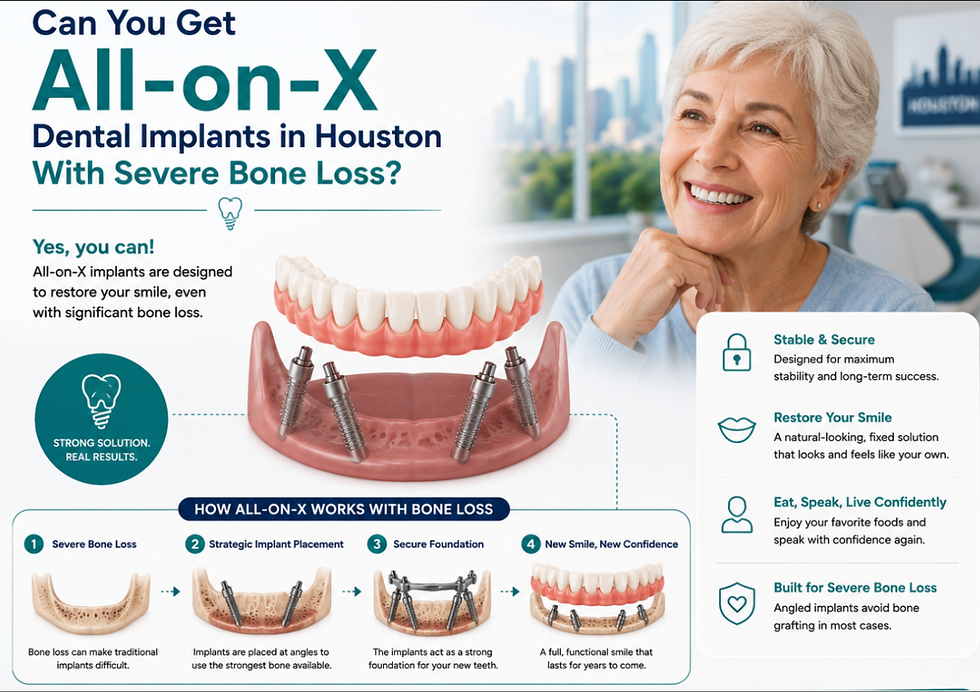
All‑on‑X implants restore a full arch of teeth using a fixed, implant‑supported denture. A tailored diet during recovery supports healing and implant integration into the bone (osseointegration). Proper nutrition can affect healing outcomes and implant longevity.
Diet's Influence on All-on-6 Implant Integration and RecoveryDiet directly affects how dental implants integrate with the jawbone. All‑on‑6 implants in Turkey: what to expect during recovery?
Healing Benefits of Adhering to This Diet
Following a soft‑food diet reduces the chance of disturbing the surgical site and supports a smoother recovery. Key nutrients also aid healing and lower the risk of infection or implant failure. Not following dietary guidance can prolong recovery.
Optimizing Healing After Oral Surgery: Dietary Strategies and Food ChoicesDietary strategies can help optimize healing after oral surgery by reducing complications from inappropriate food choices. This review summarises studies on how whole foods and individual dietary components affect periodontal health and wound healing after periodontal surgery.Dietary strategies to optimize wound healing after periodontal and dental implant surgery: an evidence-based review, PC Fritz, 2013
Recommended Food Types
The table below lists food types appropriate for different recovery stages after All‑on‑X implants.
Food Type | Description | Stage of Recovery |
Mashed Potatoes | Soft and easy to swallow | Initial Recovery |
Yogurt | Rich in probiotics and gentle on implants | Initial Recovery |
Soft Fruits | Easy to chew with vitamins | Gradual Reintroduction |
Cooked Grains | Provides fiber and essential nutrients | Long-Term Diet |
This comparison clarifies food choices by recovery stage to help you maintain good nutrition while limiting discomfort.
Potential Complications from Not Complying with Dietary Guidelines
Ignoring dietary guidance can cause prolonged pain, higher infection risk, and slower recovery. Following the recommended diet is important for optimal healing.
What Is the Recommended Dental Implant Diet Timeline After All-on-X Surgery?
A structured timeline helps guide recovery: strict soft foods for the first two weeks, then semi‑soft foods from around week three, progressing to a normal diet as healing allows.
How Should You Progress Your Diet in the Intermediate Phase?
Progress safely by adding textures gradually: start with soft foods, then introduce firmer items as comfort permits. Regular dental check‑ups will guide timing.
When and How Can You Transition to a Regular Diet?
Most patients can return to a normal diet at about 6–8 weeks, pending healing. Follow your dentist's advice, heed your comfort, and reintroduce a variety of healthy foods while staying well hydrated.
Which Foods Should You Avoid After All-on-X Implant Surgery in Houston?
Avoid these food categories after surgery to reduce complications:
Hard Foods: Such as nuts and crunchy vegetables may damage the new implants.
Sticky Foods: Like caramels or chewy sweets can loosen temporary fittings.
Spicy Foods: Could irritate the surgical site.
What Are the Common Food Restrictions Immediately Following Surgery?
In the first days after surgery, these restrictions are important. Avoid:
Hard foods
Crunchy foods
Sticky foods
These items can disrupt healing and increase the risk of complications.
Are There Long-Term Dietary Restrictions to Consider After All-on-X Implants?
There are no strict lifelong bans, but limit foods that may harm oral health over time—highly sugary or acidic items can affect implant longevity and gum tissue.
How Can Proper Nutrition Support Implant Healing After All-on-X Surgery?
Good nutrition supports healing after All‑on‑X surgery. Choose nutrient‑dense soft foods to aid recovery and maintain overall health.
What Nutrients Are Essential for Optimal Dental Implant Recovery?
Calcium: Essential for bone health and implant stability.
Vitamin D: Supports calcium absorption and overall bone health.
Protein: Aids in tissue repair and regeneration.
What Are Expert Tips for Maintaining Comfort and Nutrition During the Healing Diet?
Here are some expert tips for navigating your diet comfortably after surgery:
Focus on Smooth Textures: This minimizes discomfort while eating.
Stay Hydrated: Drink plenty of water to support overall health.
Plan Meals Ahead: Prepare soft food options in advance to make recovery easier.
What Are Common Patient Questions About Eating After All-on-X Implants in Houston?
Patients commonly ask how long to follow a soft‑food diet and when hard foods are safe. Seek personalised guidance from your dental provider for the best recovery.
How Long Should I Follow a Soft Food Diet After All-on-X Implant Surgery?
Most providers recommend a soft‑food diet for at least two weeks or until they advise otherwise. Recovery varies—prioritise comfort and your dentist's guidance.
When Can I Safely Eat Hard or Crunchy Foods Post Implant Surgery?
Many patients can resume hard or crunchy foods at about 6–8 weeks, depending on healing and your dentist's assessment. Keep in close contact with your dental team to decide when to advance textures.
Frequently Asked Questions
How can I manage pain and discomfort while eating after All-on-X surgery?
Choose soft, low‑chew foods at comfortable temperatures to reduce pain—yogurt and smoothies are good options. A warm compress may ease jaw discomfort. If pain continues, contact your dental provider for tailored advice.
Can I consume beverages with my meals during recovery?
You may have beverages with meals; prefer non‑carbonated, non‑acidic options. Avoid very hot or very cold drinks right after surgery to prevent irritation. Room‑temperature fluids are comfortable and help hydration.
What should I do if I experience swelling or prolonged pain after eating?
If you notice swelling or persistent pain after eating, monitor symptoms closely. Apply ice for 15–20 minutes to reduce swelling. Contact your dental provider if symptoms persist beyond a couple of days; they may recommend an assessment. Follow your provider's food and care instructions.
Are there any snacks I can enjoy during the initial recovery phase?
Stick to soft snacks: Greek yogurt, applesauce, smoothies, and pudding are suitable and gentle on healing gums. Avoid crunchy, hard, or sticky snacks that can disturb the surgical site. If a snack causes pain, choose a softer alternative.
How can I ensure I get enough nutrition while on a restricted diet?
Prioritise nutrient‑dense soft foods: scrambled eggs, protein smoothies, mashed vegetables, and pureed soups. Include healthy fats such as avocado and, if tolerated, smooth nut butters. Consult your dentist or a nutritionist for personalised guidance.
What role do vitamins and minerals play in dental implant recovery?
Vitamins and minerals support healing and implant integration with the jawbone. Calcium and vitamin D are important for bone health; protein supports tissue repair. Aim for a balanced intake of nutrients via soft foods to aid recovery.
Conclusion
Following a clear dietary timeline supports optimal healing and helps protect your dental investment. Adhering to soft food recommendations in the early stages lowers the risk of complications and aids recovery. Careful attention to nutrition eases the return to normal eating and builds confidence. Consult our resources for further tips and support tailored to your recovery.


Comments